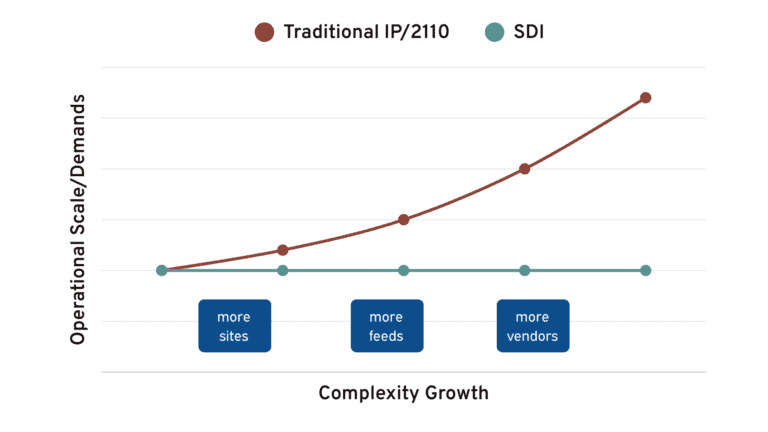



IP is complex. Your monitoring shouldn't be.

Get full observability into all your streams.

ST-2110 and IP transport stream probing, built for your whole team.

All monitoring platforms give you data. TAG gives you the full picture. Whether you're running a live sports feed, a playout chain, or a hybrid cloud operation, TAG watches every stream. Surface issues with enough context to act across every format, workflow, and corner of your broadcast operation.

Signal quality monitoring across every stream layer.

Give your teams eyes on every stream, every format.

ZIXI JPEG NDI ST RTC SRT HEVC HLS MONITORING

Deeply monitor all media formats & standards across all workflows: TAG monitors and visualizes all major compressed & uncompressed stream types in real time with the same platform, and guarantees full clarity even for the most complex workflows

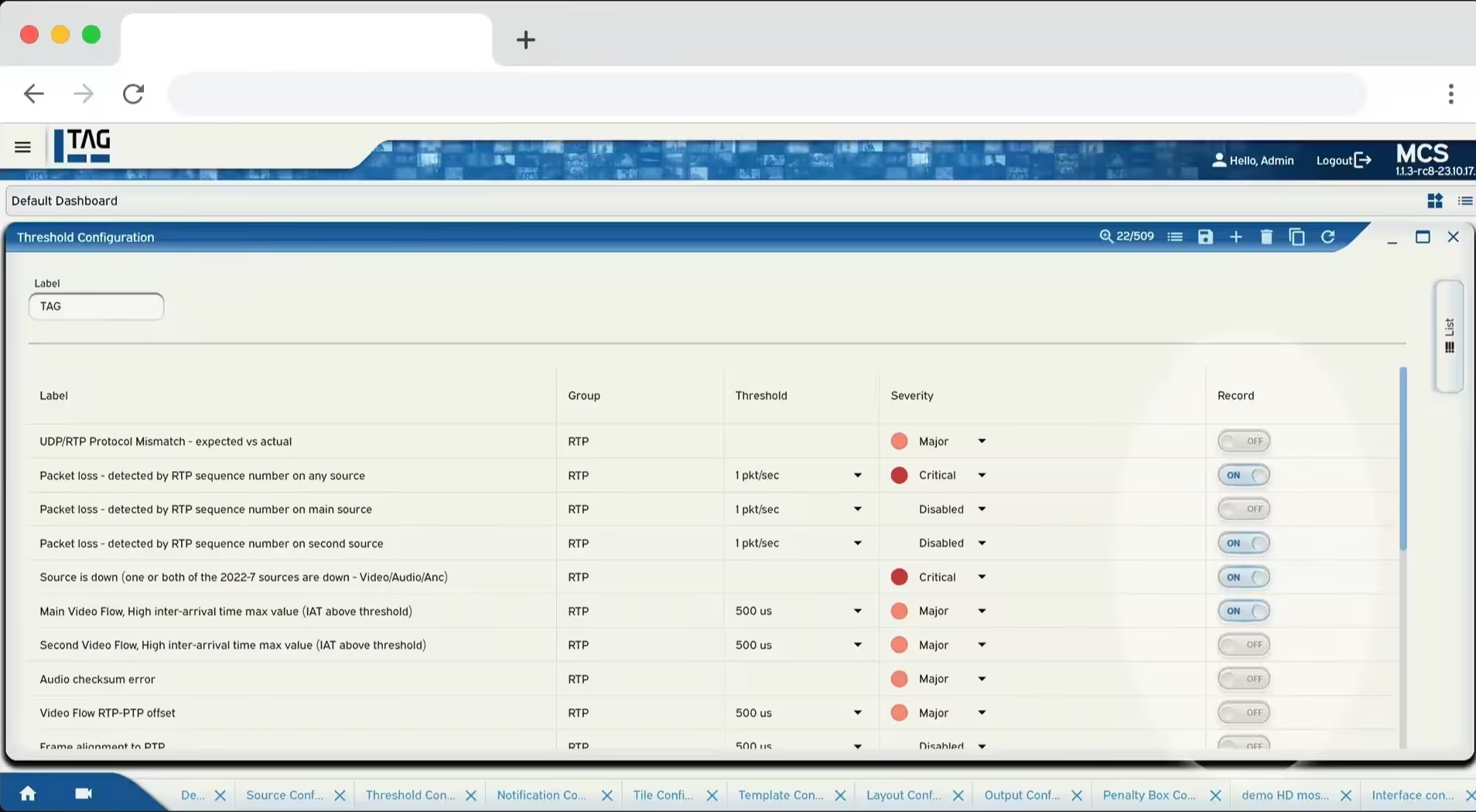
IP Monitoring thresholds

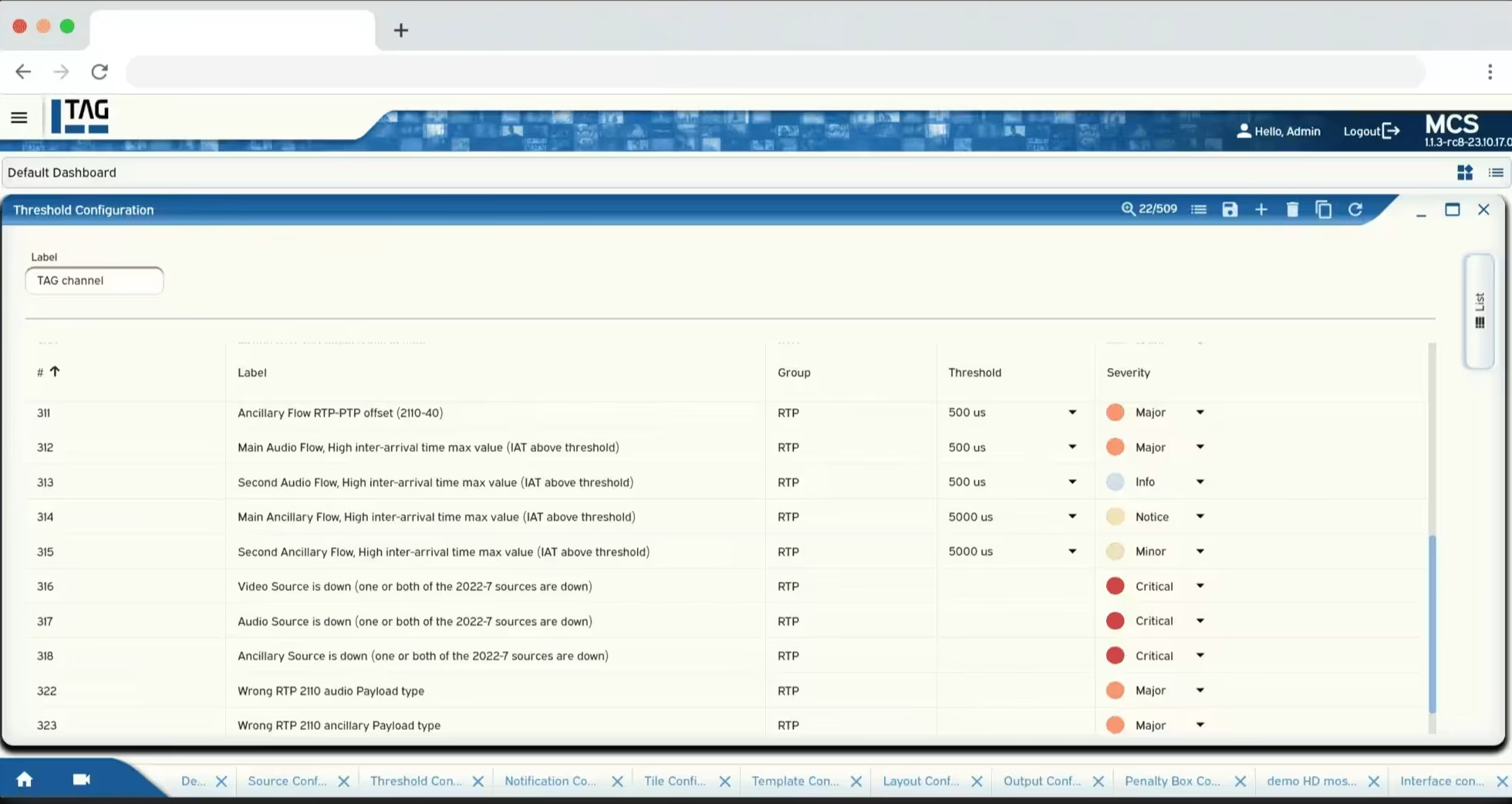
Proactively identify and address potential problems with comprehensive detection of over 500 event types across all stream layers and major media formats. Customize alert thresholds to receive timely, actionable notifications that help you minimize downtime and ensure a seamless viewer experience.

monitoring alarms notifications

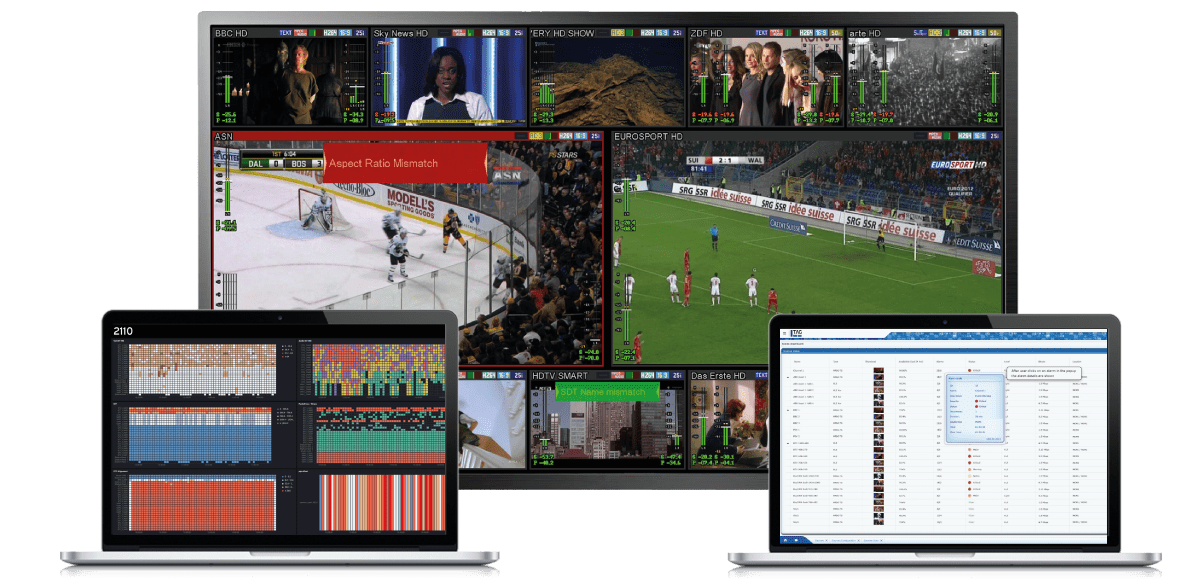
Never miss a beat with TAG’s proactive and insightful alarms. Get notified based on your thresholds and preferred alarming method: Multiviewer overlay, email, SNMP, syslog or centralized error display

integrated-ip-multiviewer

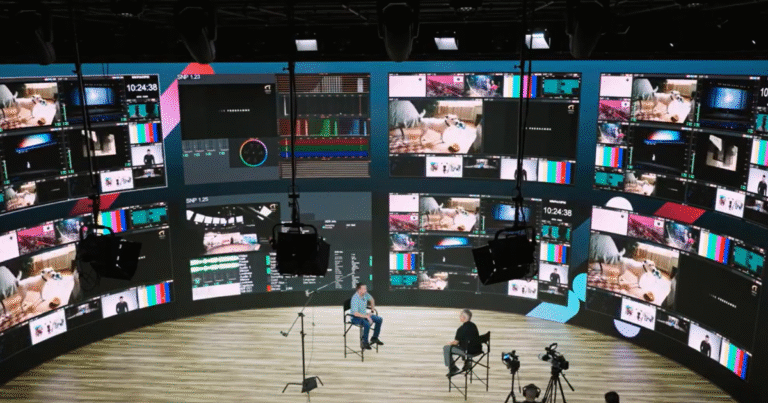
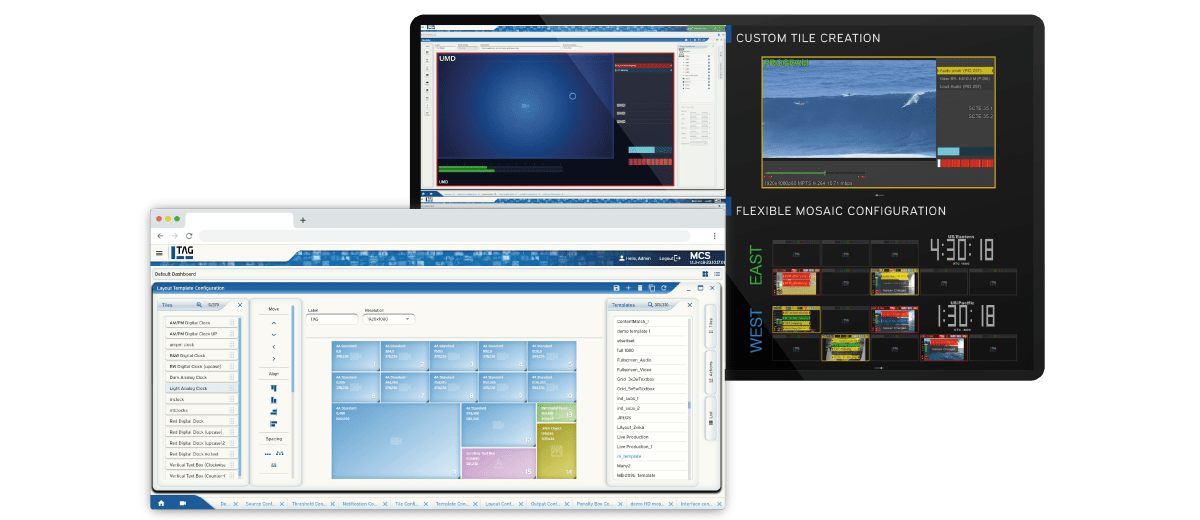
Visualize your workflow end-to-end with the most advanced, comprehensive and flexible multiviewing capabilities available today, built on top of powerful monitoring

TAG API

Customize, create and manage: The TAG platform is fully accessible by an advanced and documented JSON API to control all fuctionalities and configuration of the system.

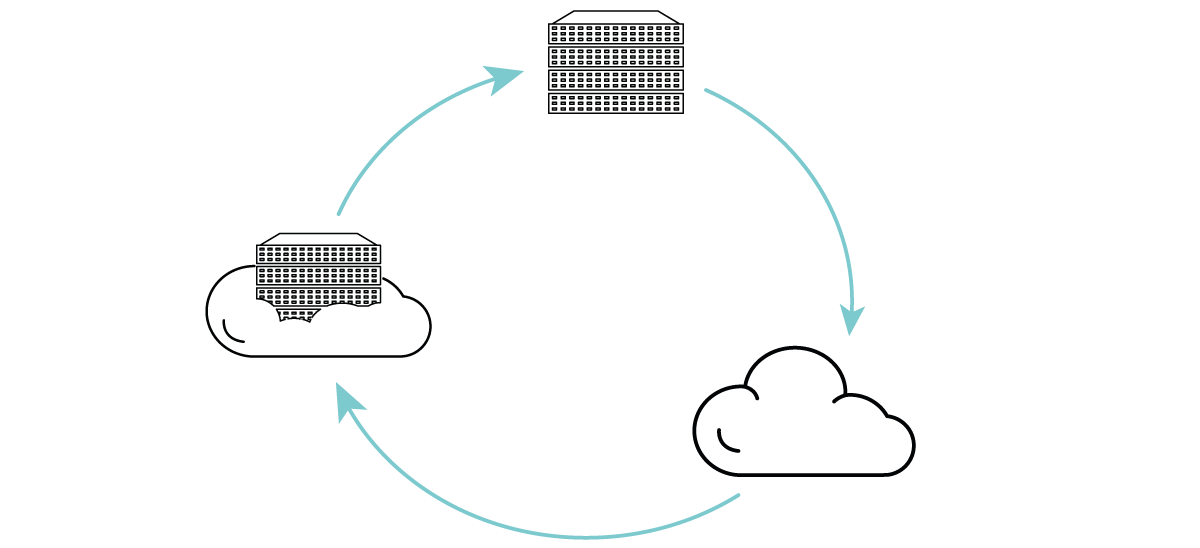
cots hybrid cloud monitoring

 TAG empowers you to stay ahead of the curve by running natively with your workflow, whether on-premises, in the cloud, or across both. Need to adapt? TAG Seamlessly moves with you

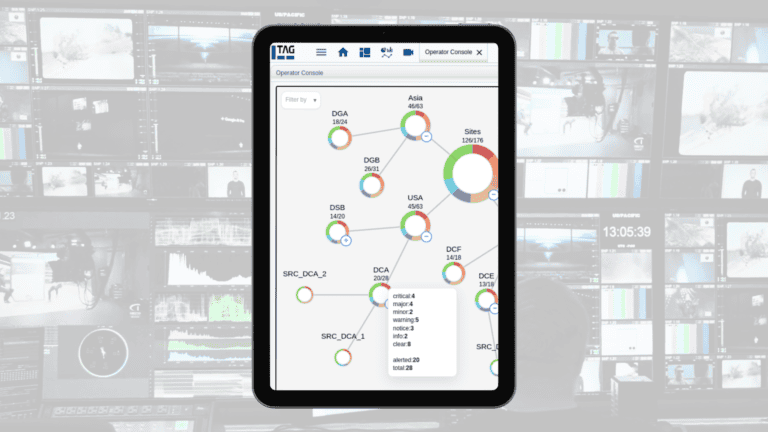
Optimize large scale operations with TAG MCS for unified control, configuration and API access across all systems, and a comprehensive view of your aggregated data

Deep probing for compressed and uncompressed workflows.

Run broadcasts without surprises.

monitoring ip recording

Automate stream recording based on custom thresholds for optimal analysis and compliance. Capture pre- and post-event recoridngs along with all critical metadata (manifest, IP address, etc.)

Leverage TAG’s adaptive monitoring modes – Full, Light, and X-Light – to intelligently optimize resource consumption without sacrificing performance. Continuously analyzes your content in every monitoirng mode, and automatically switch to full visualization only when an error occures. 

Automate your monitoring and gain valuable insight by leveraging TAG’s Content Matching Technology: Detect & match identical content across resolutions and frame rates to measure latency, A/V alignment and much more between any two or more points in the workflow

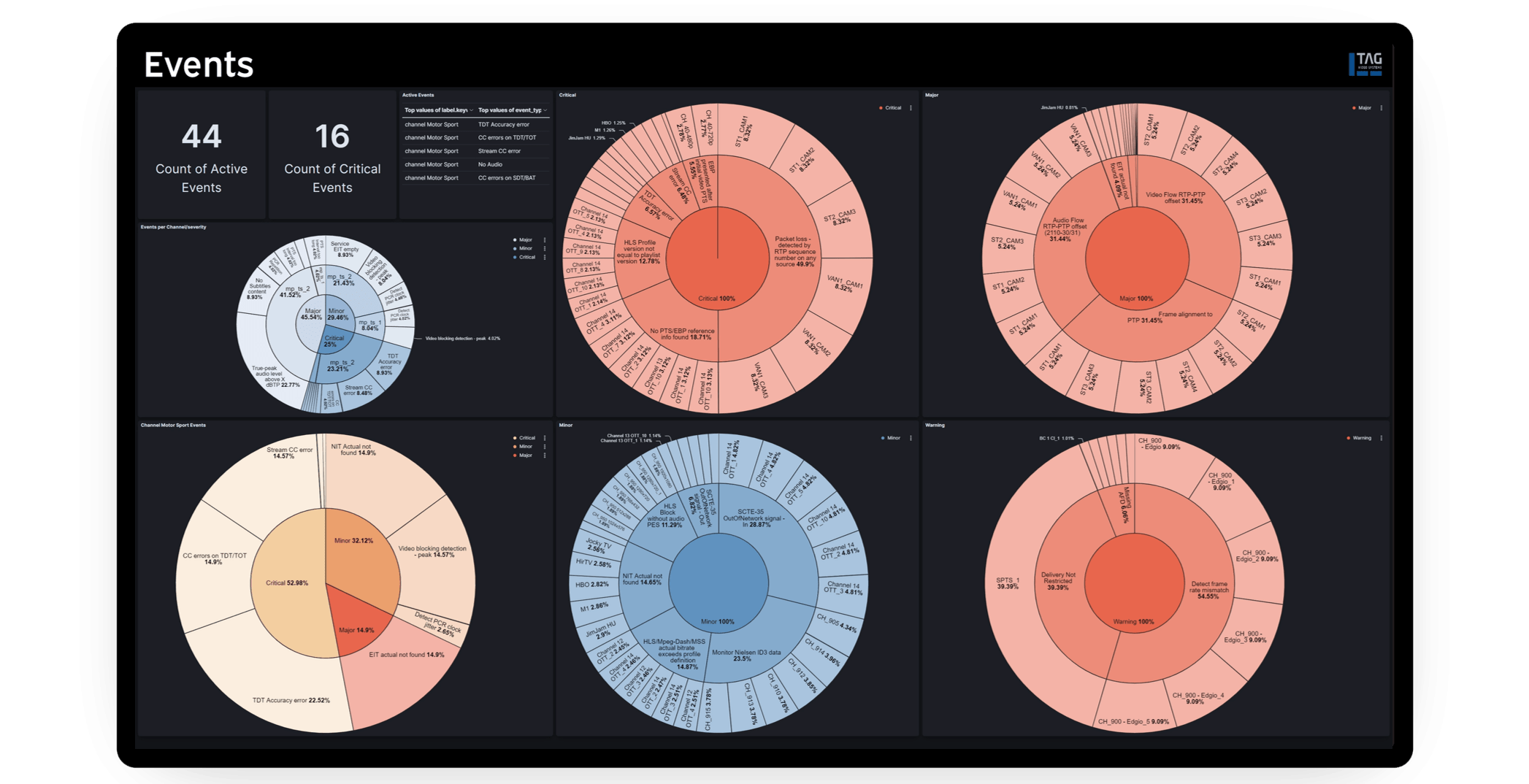
Kibana dashboard

Collect TAG valuable data across your media workflow and visualize it using best-in-breed IT tools like Kibana, Grafana and Kafka. Gain full control of your workflow and make data-informed decisions for your operation

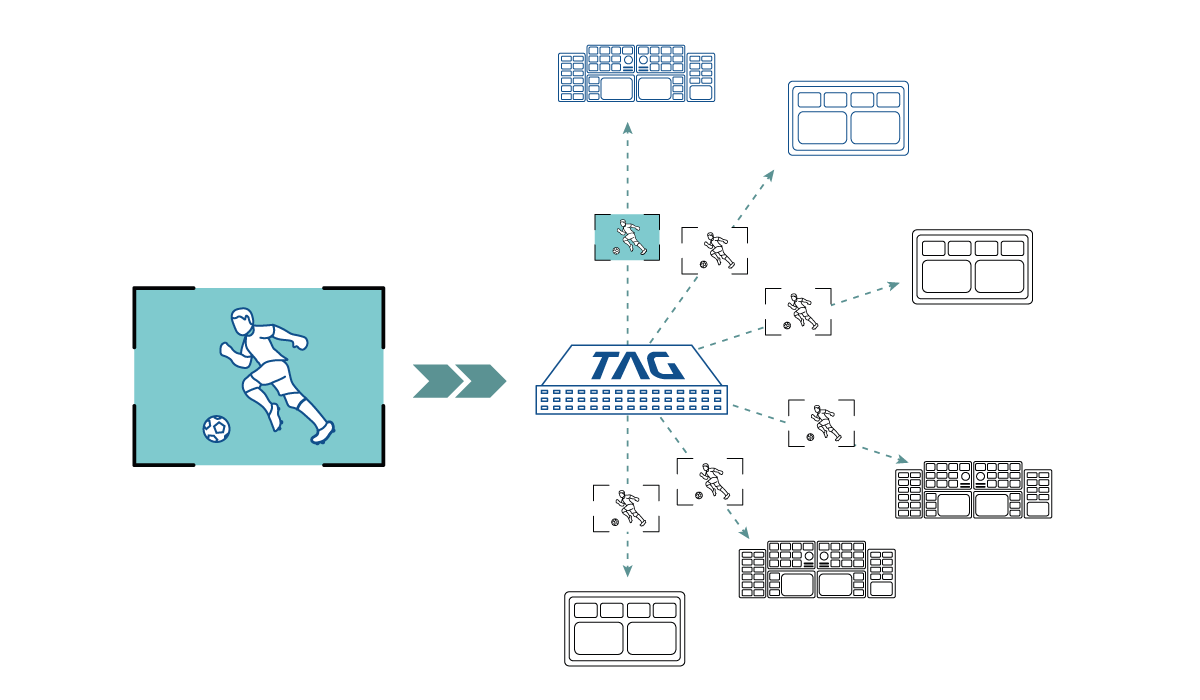
TAG Bridge optimized monitroing

Conserve valuable resources with TAG Bridge. Its single-ingest, secure sharing model means you only need to process a source once, significantly reducing bandwidth and computing costs. TAG Bridge empowers seamless collaboration across your teams, ensuring everyone has access to the data they need.

We are

Grey
Extra Features

Every License unlocks all TAG platform functionalities

Share

Share Zero Friction Licenses between locations and teams

Cost

Align costs to your consumption by choosing opex, capex or hybrid models

What IP formats and transport stream protocols does TAG's monitoring platform support?

Formats & Protocols

ST-2110 :  2110-10/20/21/22(JXS)/30/31/4

ST-2022-6 :  SDI over IP

ST-2022-7 :  Redundancy for Uncompressed (2022-6,2022-2,2110-10/20/22/30/31/40) & RTP

MPEG-2 Video :  up to MP@5.1

H.264 Video :  up to Hi@4.1

HEVC Video :  up to MP@5.1

JPEG2000 TR-01 :  up to 200mbps

NDI :  HB, HX3

CDI :  2110 and JXS

JPEG XS :  up to UHD 2gbps

AVS+

VP8

Color Space :  YUV420, YUV422, YUV422-10bit

Multicast & Unicast :  TS over UDP

TS over RTP, TS over HRTP

HLS/MPEG-DASH/MSS/CMAF :  OTT formats

RTMP :   PUSH & PULL

SMPTE-2022-6/7 :  RTP over UDP

ST-2110 :  RTP over UDP

Zixi :  client mode at the Input & Output (1.16.11.44+64)

SRT :  Listener and Caller modes, passphrase

WebRTC :  Janus-based implimentations, Receive and Transmit

Other Layer Analysis

Audio codec :   MPEG2 / AAC / HE-AAC / A-52 / AES67

Dolby :  Dolby-D, Dolby-Plus, Dolby Atmos

Audio channel mode :  1 / 1+1 / 2 / 5.1 / 8 / 16 / 7.1

Loudness monitoring :   EBU-R-128/ITU-1770-3/ATSC A/85

Silence detection :  Mono, stereo, dual mono, surround

Clipping detection :  User adjustable threshold

Video codec :  MPEG2 / H.264 / HEVC / UNCOMPRESSED

HDR :  HDR10, HLG,PQ

Video encoding :  Level and profile

Video resolution :  From SD (480) to UHD (2160)

Scan mode :  Interlaced, Progressive

Video aspect ratio :  4:3 / 16:9

Video frame rate :   25 / 29.97 / 30 / 50 / 59.94 / 60

Video content :   Black / Freeze / Black with logo

Video quality :  Blocking detection, SSIM

SCTE-35/104 :  Stored as XML & Binary

DVB & ID3 subtitles :  Overlay display
CC errors :  Separate rules
Closed Caption :  CEA-708, CEA-608, OP-47, WebVTT, STPP
Multi language support :  Support for up to 16 PIDst

Scrambling verification

Crypto period measurement

ECM/EMM existence tests

ECM Private data change notification

DVB Simulcrypt AES

ECB descrambling

HLS AES descrambling

DVB Transport Layer Analysis

TS sync loss

Sync byte error

PAT error

Continuity count error

PMT error

PID error

Transport error

CRC error

PCR repetition error

PCR discontinuity

PCR accuracy error

PTS error

CAT error

NIT actual/other error

SDT actual/other error

EIT actual/other error

RST/TDT Error

TS PSI, TS DVB SI

Notifications & Channel Statistics

SNMP :  Configurable SNMP TRAPS

SYS LOG :   Configurable sys-log notifications

SMTP :  Email notifications

Overlay :  Overlay error display on the mosaic

Centralized Error Display : Group error channels to a single display

Service structure tree-view (per PID)

Display of each PID’s bitrate

Display of service bitrate

Display of service properties

Graphical display of audio loudness and

True-peak

Foxtel

Foxtel: Monitoring the Leap to IP

Beyond transitioning to all-IP, Foxtel needed to monitor multiple workflows and formats across multiple sites at high scale. They required a monitoring and visualization system capable of simultaneously handling all types of IP signals including any combination of uncompressed and compressed HD and UHD, NDI, and OTT streams including encryption.

Explore monitoring resources

FAQ

What is IP video monitoring and why does it matter for broadcast operations?

IP video monitoring is the continuous analysis of media signals transported over IP networks — checking for errors, quality degradation, and compliance across every stream in your workflow. As broadcast infrastructure moves from SDI to IP, monitoring becomes the difference between catching a problem in your control room and hearing about it from a viewer.

What formats and protocols does TAG's monitoring platform support?

TAG supports ST-2110 (2110-10/20/21/22/30/31/40), ST-2022-6, ST-2022-7, compressed and uncompressed formats, NDI, and OTT streams including encrypted content. A full specifications list is available on this page.

How does TAG monitor both compressed and uncompressed streams on the same platform?

TAG's platform handles compressed and uncompressed streams simultaneously within a single multiviewer and monitoring environment. You don't need separate tools or infrastructure for different signal types.

What is transport stream monitoring and what does TAG check for?

Transport stream monitoring analyzes the integrity of MPEG-TS signals at the packet level, checking for sync loss, continuity count errors, PAT and PMT errors, PID errors, and ETR priority violations. TAG monitors all three ETR priority tiers and surfaces actionable alarms rather than raw data dumps.

Can TAG's monitoring platform run in the cloud, on-premises, or both?

TAG runs on COTS hardware, public cloud infrastructure, and hybrid environments. The platform is deployed the same way regardless of where it runs, so your team doesn't need to learn a different system for each environment.

How does TAG's monitoring integrate with existing orchestration and control systems?

TAG exposes a fully documented JSON API that gives NMS, BMS, network controllers, and third-party orchestration systems complete access to configuration and monitoring data. If your control system can talk JSON, it can talk to TAG.

What is Zero Friction Licensing and how does it work?

Zero Friction Licensing means a single TAG license covers all platform features; there are no per-feature or per-module charges. Licenses can be shared across locations and teams, and you can choose between opex, capex, or hybrid commercial models depending on how your operation is structured.

Subscribe to TAG news

Stay in the loop of product updates, company announcements and more